You’ve probably heard the buzz. Sofwave has been quietly becoming one of the most talked-about skin-tightening treatments in aesthetic medicine — and for good reason. It’s non-invasive, there’s virtually no downtime, and the results? Well, let’s just say people are noticing. But here’s the question that comes up almost every single time: what age should you actually be when you start?
It’s a fair thing to wonder. Aesthetic treatments aren’t one-size-fits-all, and starting too early — or waiting too long — can genuinely affect how much benefit you get. So let’s really dig into this, because the honest answer is a bit more nuanced than a single number.
What Exactly Is Sofwave?
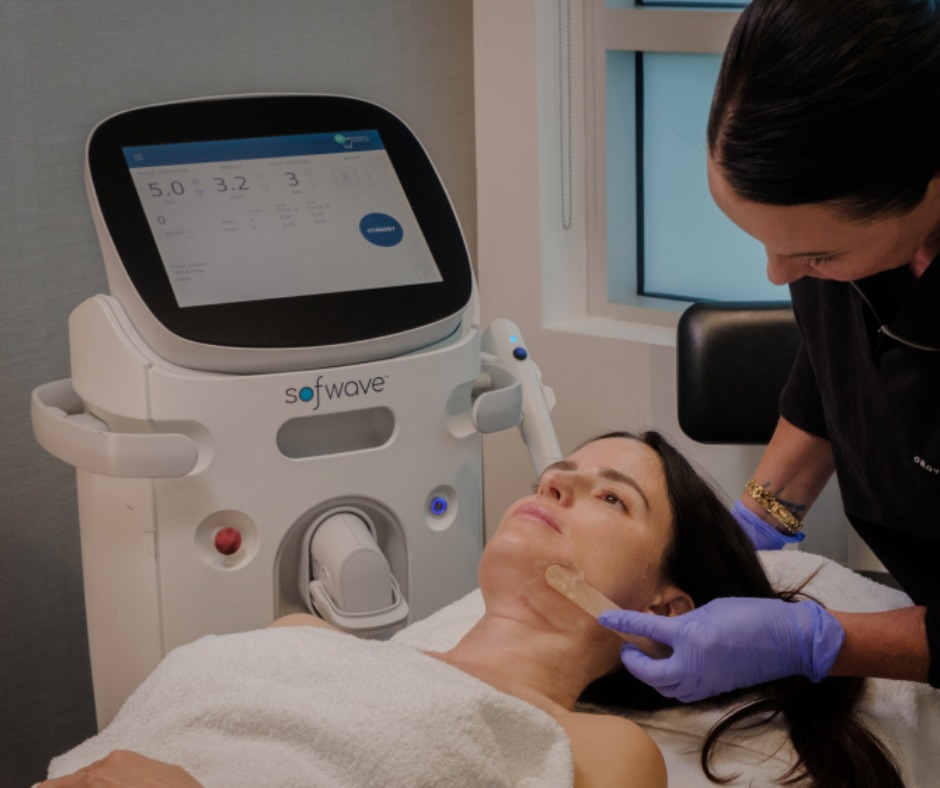
Before we get into age specifics, a quick refresher for anyone who’s new to the name. Sofwave is an FDA-cleared ultrasound technology that targets the mid-dermis — the layer of skin roughly 1.5 millimeters below the surface. It delivers precise, controlled heat that triggers collagen and elastin production without disturbing the surface of the skin.
Think of it like a renovation happening behind the walls. You don’t see construction chaos on the outside, but inside, the structure’s getting stronger. That’s essentially what Sofwave does. It’s used primarily for lifting and tightening the face, neck, and brow area, with some providers also using it on the décolletage and arms.
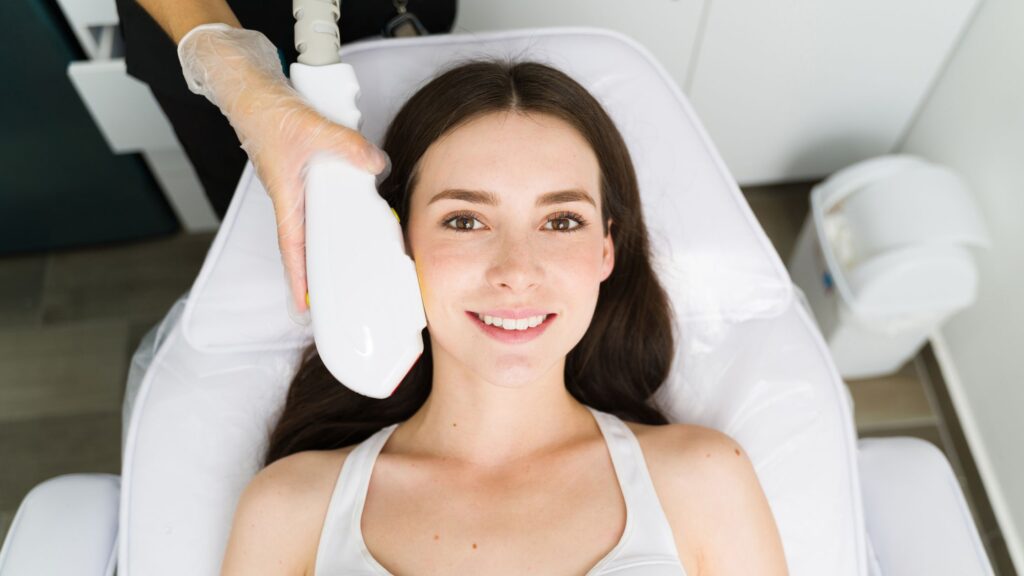
The typical treatment takes around 30 to 45 minutes. Most people describe a warm, prickling sensation during the session. Redness afterwards? Maybe a little, for a few hours. Then you’re back to your life. Results build gradually over two to three months as collagen remodeling kicks in — which, honestly, is how you know it’s real rather than just temporary puffiness.
So… Is There a “Best” Age?
Here’s the thing — the idea of a single “best” age is a bit of a myth. What matters more is where your skin is right now, and what you’re hoping to achieve. That said, research and clinical experience do point to some sweet spots.
Most practitioners agree that the most effective window for Sofwave falls between the late 30s and early 60s. Why this range? Because Sofwave works by stimulating collagen production — and for that to produce visible results, your skin needs to still have the capacity to generate new collagen. As we age well into our 70s and beyond, that regenerative ability naturally slows down, which can limit how dramatic the improvements look.
But starting in your late 30s or 40s? You’re often catching the early signs of laxity — that subtle softening around the jaw, the very beginning of jowl formation, or brow heaviness that wasn’t there five years ago. At this stage, the skin responds beautifully. Results can look almost preemptive, like you’ve slowed the clock rather than turned it back.
The Case for Starting in Your Late 30s
Let’s be real — no one at 38 is worried about dramatic sagging. But that’s kind of the point. Starting Sofwave in your late 30s or early 40s is less about correction and more about prevention.
Collagen loss begins in your mid-20s — around 1% per year, give or take. By the time you hit your late 30s, you might start noticing fine lines, a slightly less defined jawline, or skin that looks a little less “snappy.” Sofwave at this stage essentially adds fuel to a fire that’s still burning well. You’re reinforcing your collagen network before the gaps become noticeable.
Think of it like maintaining a car regularly rather than waiting for something to break. Preventive care in aesthetics has real, compounding benefits over time. Some patients who start in their 30s and do maintenance treatments every one to two years actually find they need fewer interventions as they get older.
One thing worth noting: if you’re in your late 30s and don’t have any visible laxity yet, some providers may suggest waiting a bit or starting with lighter treatments. There’s no point using a sledgehammer when a gentle nudge is all you need.
Your 40s and 50s: The Prime Window
If there’s a golden age for Sofwave, many practitioners would say it’s the 40s and 50s. Here’s why.
By your mid-40s, most people have enough visible skin laxity that the results of tightening and lifting are genuinely noticeable — both to you and to people around you. You’re not dealing with severe sagging that might require a surgical approach, but there’s enough “give” in the skin for Sofwave to work with. The treatment has something real to address.
In your 50s, the same logic applies, though the expectations should be calibrated a bit. Sofwave can absolutely deliver meaningful improvements — lifting the brow, reducing the appearance of jowling, refining the neck — but it works best as part of a broader skincare and wellness approach. Pairing it with good sunscreen habits, retinoids, and maybe some in-office collagen-boosting treatments can seriously amplify what you see in the mirror.
Honestly, a lot of people in their 50s describe Sofwave as a revelation. They expected subtle changes and walked away looking genuinely refreshed — not “done,” just… better. More like themselves, but rested. That’s the sweet spot most patients are aiming for.
What About the 60s and Beyond?
Sofwave can absolutely work in your 60s. The question is just managing expectations clearly. Skin in your 60s has typically lost a significant amount of collagen and elastin, and the regenerative response is slower. You can still see improvement — and plenty of patients do — but the results may be more subtle, and more frequent maintenance treatments might be needed to sustain them.
For some patients in their 60s who have more significant laxity, a provider might suggest combining Sofwave with other treatments — dermal fillers for volume loss, or even a consultation about surgical options if the skin has gone past what energy-based devices can meaningfully address. It’s not a knock against Sofwave; it’s just being honest about what different tools are best suited for.
The encouraging thing is that age alone isn’t a disqualifier. Skin quality, overall health, sun damage history, and realistic expectations all factor in. A 65-year-old with excellent skin health and realistic goals can get genuinely lovely results from Sofwave.
But What About Being “Too Young” for Sofwave?
Yes, this is a real consideration. Most reputable providers won’t recommend Sofwave for patients younger than around 30 — and for good reason.
In your 20s, the skin naturally has abundant collagen and elastin. There’s typically no laxity to address, and stimulating collagen production on skin that’s already at its structural peak doesn’t really add meaningful benefit. More importantly, the money and effort are better invested in sun protection and a solid skincare routine at that stage — prevention through lifestyle rather than treatment.
Could someone in their early 30s benefit? Possibly, if they have specific early concerns. But for most people under 30, there are far more cost-effective ways to protect and maintain skin health than an ultrasound lifting treatment.
Individual Factors That Matter as Much as Age
Here’s something a lot of Sofwave articles gloss over: your chronological age is honestly just one piece of the puzzle. Two people who are both 48 can have dramatically different skin — and dramatically different results from the same treatment.
Several factors play a significant role:
- Sun damage history: Years of unprotected sun exposure accelerates collagen breakdown. Someone with significant photoaging may see less dramatic results than someone who’s been diligent about SPF.
- Skin thickness and texture: Thinner skin, which becomes more common with age and hormonal changes (especially post-menopause), may respond differently than thicker skin.
- Overall health and nutrition: Collagen production depends on adequate protein intake, vitamins (especially C and E), and hydration. Treating your skin from the inside out genuinely matters.
- Hormonal status: Estrogen plays a significant role in collagen synthesis. Perimenopausal and postmenopausal women often notice faster collagen loss, which can affect both the degree of laxity and the treatment response.
- Genetics: Some people age beautifully well into their 60s with minimal intervention. Others notice significant changes in their early 40s. Neither is wrong — it’s just biology.
A good provider will assess all of these factors during a consultation rather than simply asking how old you are and handing you a treatment plan.
How to Actually Know If It’s the Right Time
You know what’s more useful than an age cutoff? A checklist of things to look for. Here are some signs that Sofwave might genuinely be worth exploring:
You’re noticing that your jawline isn’t as sharp as it used to be — that slight softening that makes photos from a few years ago look different. Your brow feels a little heavier, or your upper eyelids look more hooded than they once did. The neck area has some early crepiness or lines. You’ve tried excellent skincare and it’s just… not enough anymore.
These aren’t vanity concerns — they’re legitimate changes that affect how you feel in your own skin. And that matters. Sofwave, when timed right, can be a genuinely powerful tool for addressing exactly these early and moderate changes.
If you’re still unsure, the most sensible move is to consult with a board-certified dermatologist or plastic surgeon who offers Sofwave. Not a med-spa with a limited toolkit — a real expert who can assess your specific skin and tell you honestly whether this is the right treatment at the right time, or whether something else might serve you better.
A Note on Realistic Expectations
Let’s be direct about something. Sofwave is impressive, but it’s not magic. It won’t produce the same lift as a surgical facelift, and it won’t erase decades of sun damage in a single session.
What it does exceptionally well is provide a meaningful, natural-looking improvement with essentially no downtime. For someone who isn’t ready for (or interested in) surgery, or who wants to maintain their results between more intensive procedures, it fills a genuinely useful niche.
Results typically appear gradually over two to three months, with some patients continuing to improve for up to six months after treatment. Most people find that a single treatment per year (or every 18 months) is sufficient for maintenance once they’ve achieved their initial improvement.
Managing those expectations from the start — and choosing a provider who’s honest about what you’ll see — makes the whole experience much more satisfying.
So, what is the best age for Sofwave? Realistically, the sweet spot sits somewhere between your late 30s and early 60s — with the 40s and 50s being the window where most patients see the most satisfying results. But more than a specific number, the right age is when you have visible early-to-moderate laxity, good overall skin health, and realistic expectations about what a non-surgical treatment can accomplish.
Starting early means getting ahead of the curve. Starting later means working thoughtfully within it. Either way, Sofwave — when chosen for the right reasons and performed by the right hands — can be a genuinely effective part of aging on your own terms.
The best time to start? When you’re ready, your skin shows early signs that benefit from treatment, and you’ve found a provider you trust. That combination matters more than any number.