Let’s be honest — when you first hear “Sofwave,” it sounds like something straight out of a skincare sci-fi film. A device that uses ultrasound waves to lift and tighten your skin without needles, downtime, or the kind of recovery period that has you hiding indoors for two weeks? It sounds almost too good to be true. And yet, dermatology clinics across the country are buzzing about it. People are booking consultations, dropping serious money, and walking away with genuinely mixed feelings.
So — is Sofwave actually worth it, or is it just the latest shiny thing in an industry that’s very, very good at making us reach for our wallets?
Let me break it down.
What Is Sofwave, and Why Is Everyone Talking About It?
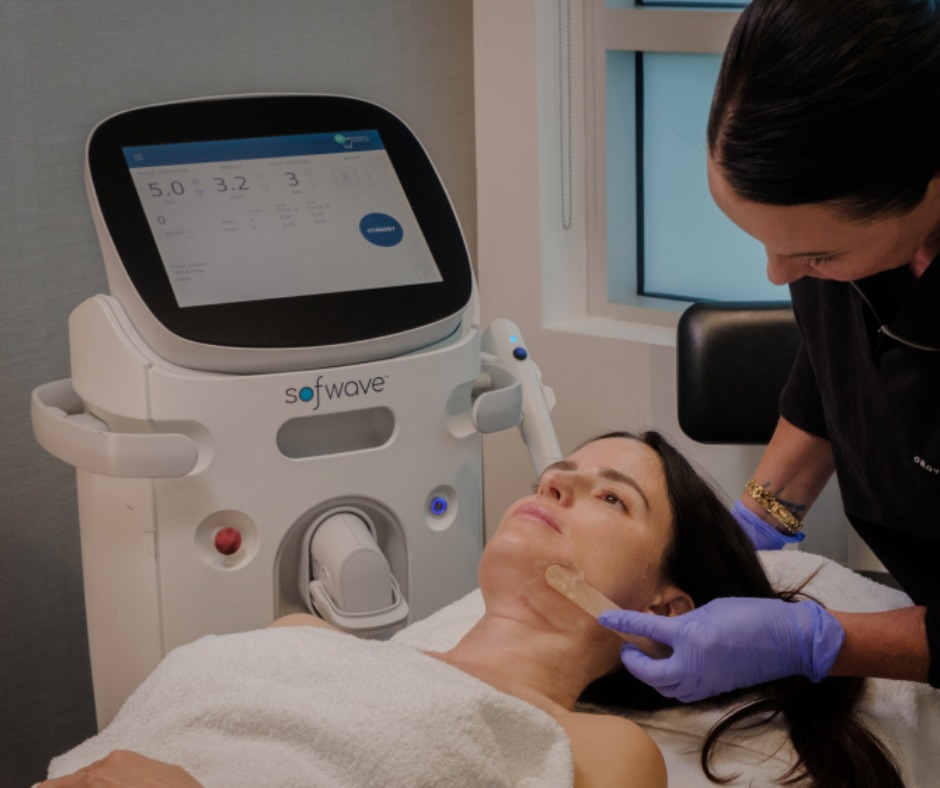
Sofwave is a non-invasive skin treatment that uses something called Synchronous Ultrasound Parallel Beam SUPERB™ technology — yes, that’s the actual name, and yes, it does sound like it belongs in a Marvel film. In plain terms: it delivers ultrasound energy into the mid-dermis, which sits about 1.5 millimeters below the surface of your skin. The heat generated there stimulates collagen and elastin production, which are the two structural proteins responsible for keeping your skin firm, plump, and relatively youthful-looking.
Here’s what makes it different from older ultrasound treatments like Ultherapy: Sofwave targets a shallower layer of skin, which theoretically means less discomfort and a lower risk of side effects. If you’ve heard horror stories about Ultherapy — and there are plenty — that distinction matters. Sofwave also includes a cooling mechanism built into the handpiece, protecting the surface of your skin while the energy does its thing deeper down.
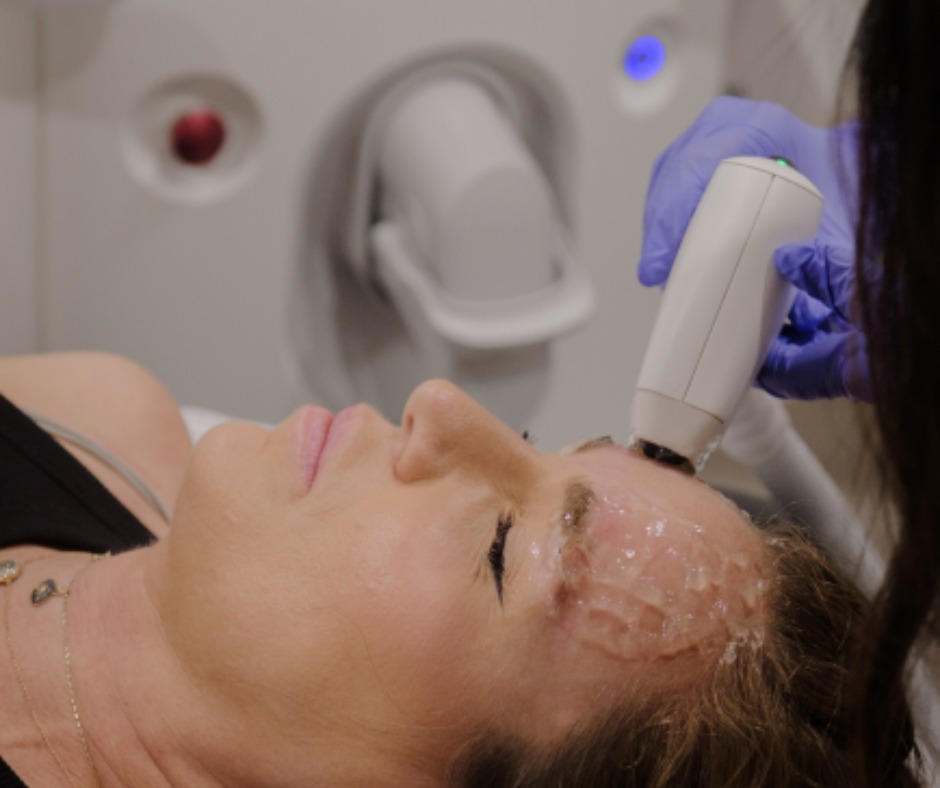
The procedure itself takes about 30 to 45 minutes. No numbing cream required for most people (though some clinics offer it). No needles. You might look a little pink for a couple of hours afterward, but most people return to their day without incident. For anyone who’s ever sat through a fractional laser treatment or a series of microneedling sessions, that kind of recovery timeline is almost laughably easy.
Does It Actually Work, Though?
This is the question, isn’t it? Because we’ve all seen treatments that promise the moon and deliver something closer to a gentle nudge.
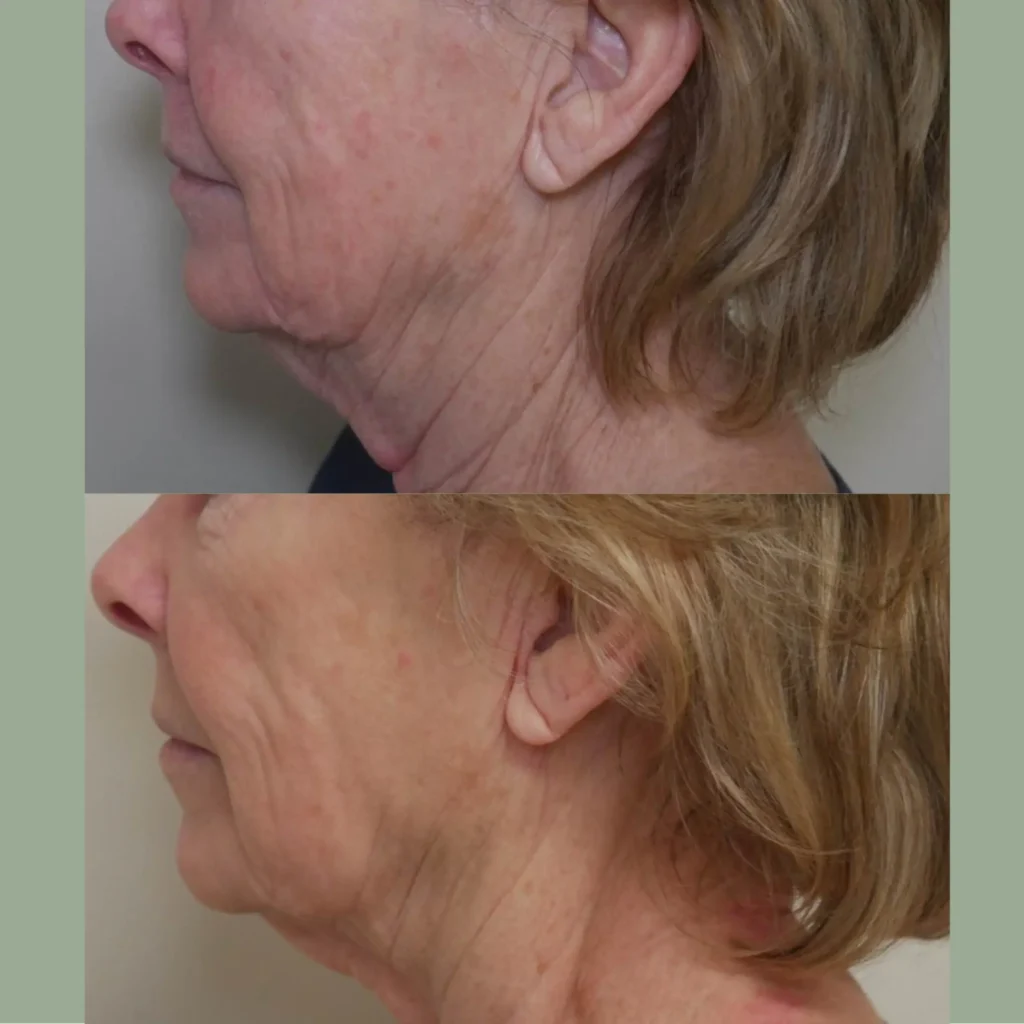
The clinical data on Sofwave is actually reasonably promising. In studies published alongside its FDA clearance — which it received in 2019 for lifting the eyebrow, neck, and submental (under-the-chin) area — the majority of participants showed measurable improvement in skin laxity after a single treatment. More recent clearances extended its indications to include reducing facial lines and wrinkles. That’s not nothing. FDA clearance isn’t FDA approval, but it still requires a meaningful body of evidence.
Real-world results, though? That’s where it gets complicated.
The treatment works best on people who have mild to moderate skin laxity. If you’re in your early 40s, starting to notice some softening along the jawline or a bit of drooping in the brow area, Sofwave is probably going to impress you. If you’re looking to address more significant sagging — the kind that surgeons and patients typically discuss in the context of a facelift — Sofwave is going to feel like a bandage on a deeper problem. It’s a tool with a specific range of effectiveness, and the marketing sometimes conveniently glosses over that range.
Results also take time. Collagen remodeling doesn’t happen overnight. Most patients see gradual improvement over two to three months, with peak results usually appearing around the three-month mark. Some people continue improving for up to six months. If you’re expecting to walk out of the clinic looking visibly different, you’ll probably be disappointed — and that expectation gap is one of the biggest sources of dissatisfaction with the treatment.
One more thing worth saying: results vary considerably depending on the device settings, the skill of the practitioner, and your own skin biology. Two people with nearly identical concerns can have dramatically different outcomes. That’s true of most aesthetic treatments, but it bears repeating here because the “it didn’t work for me” reviews online often don’t account for this variability.
The Price Tag and the Honest Conversation Nobody Wants to Have
Sofwave is not cheap. Depending on where you live and which clinic you visit, a single full-face treatment runs anywhere from $2,500 to $5,000. Some clinics price it lower for specific areas — just the neck, or just the lower face — but even then, you’re looking at a significant investment.
And here’s the part that feels a bit awkward to bring up: most providers recommend repeat treatments. The collagen you build does continue to diminish over time (that’s just aging), and while a single Sofwave session can give you meaningful results, many patients end up returning annually or every 18 months. So that $3,000 treatment? Over a few years, you’re looking at a compounding cost.
Compare that to alternatives. Ultherapy tends to run in a similar price range, but carries more discomfort and a longer history of side effects in the literature. RF microneedling devices like Morpheus8 cost roughly the same, require some downtime, but may offer more pronounced results for certain skin types. Surgical options — a brow lift, a lower face lift — cost more upfront but last significantly longer with results that non-invasive treatments genuinely can’t replicate.
None of this means Sofwave is overpriced for what it is. It means you need to go in clear-eyed about what you’re paying for. You’re paying for convenience, minimal downtime, and a real but modest improvement. If those terms work for your life and your goals, the value proposition makes sense. If you need dramatic results or you’re financially stretched, it might not be the right time.
It’s also worth noting — and this is something a lot of treatment review articles skip over — that the consultation process matters enormously. A good provider will tell you honestly if you’re a candidate, explain realistic expectations, and help you decide if Sofwave is actually the right tool for your specific concerns. If a clinic’s consultation feels more like a sales pitch, trust your gut and get a second opinion.
So, Should You Actually Get It? Here’s the Real Answer
Here’s the thing: “Is it worth it?” is almost always the wrong question to start with. The better question is, “Is it right for me, at this point in my life, with these specific concerns?”
Sofwave earns its reputation when it’s used appropriately. For someone in their 30s or 40s with early laxity who wants a maintenance treatment that fits into a normal week — no hiding at home, no dramatic post-procedure selfies — it’s genuinely one of the better non-invasive options available. It’s not a miracle. But few things in dermatology are, despite what the before-and-after photos on Instagram might suggest.
If you’re deeper into the journey of skin aging, or if you’ve tried similar treatments without satisfaction, the honest answer is that Sofwave probably won’t give you what you’re looking for. And that’s not a knock on the technology — it’s just a matter of matching the right tool to the right problem.
A few practical things to keep in mind if you’re seriously considering it:
- Choose your provider carefully. The device is only as good as the person operating it. Look for a board-certified dermatologist or plastic surgeon, or a highly experienced aesthetic nurse practitioner. Read reviews that discuss the consultation process specifically, not just the outcome.
- Take photos before your treatment. Results accumulate gradually, and without a baseline, you’ll struggle to notice the changes.
- Give it three to six months before you evaluate. Honest assessment takes time.
- Ask about maintenance. Understand upfront that this isn’t a one-and-done scenario for most people.
You know what’s funny? The treatments that get the most breathless attention are rarely the ones with the most sustained, honest fan base. Sofwave doesn’t have the cult following of, say, a really well-done Botox protocol — but it has something potentially more valuable: a solid clinical foundation, a reasonable safety profile, and a growing body of practitioners who know how to use it well.
Is it worth it? For the right person, with clear expectations and a provider they trust — genuinely, yes. For everyone else, it might be worth waiting until you’re that person. There’s no shame in doing the math and deciding it’s not your moment. Skincare, at its best, is a long game anyway.