Here’s the thing — when someone first hears about Sofwave, the most immediate question isn’t “how does it work?” It’s “how long will this actually last?” And honestly, that’s the right question to ask. Nobody wants to invest time, money, and mental energy into a skin treatment, only to wonder six weeks later if it even did anything.
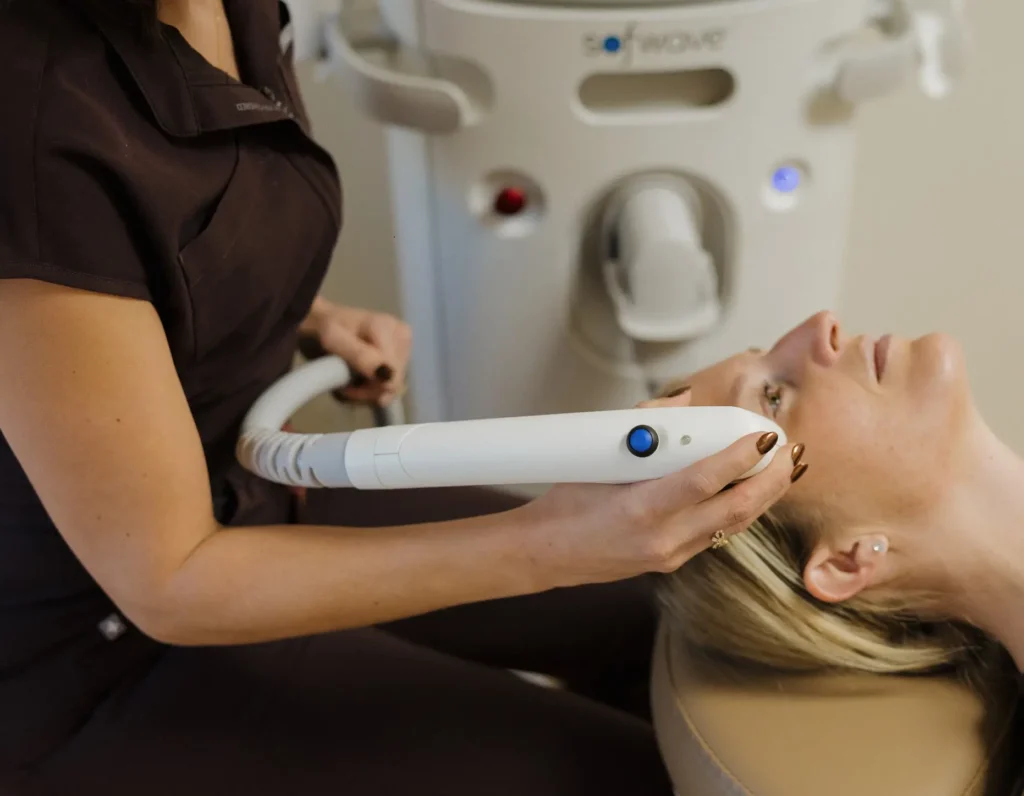
Sofwave is a non-invasive skin rejuvenation treatment that uses a technology called Synchronous Ultrasound Parallel Beam — SUPERB, to use the brand’s own acronym. It targets the mid-dermis, which sits deeper than most laser treatments but without the recovery time of surgery. The result? Skin that looks lifted, smoother, and genuinely refreshed. But let’s get to the real question: how long does all of that actually last?
The short answer is anywhere from one to two years, sometimes longer. The longer answer — which is the one worth reading — depends on several interconnected factors that most people don’t think about until after they’ve had the treatment done.
What’s Actually Happening Under Your Skin
To understand why Sofwave results last as long as they do, it helps to understand what’s actually going on beneath the surface. The treatment delivers ultrasound energy at 1.5mm depth, heating a thin layer of tissue to around 60–70°C. That controlled injury — and yes, it is technically a controlled injury — triggers your body’s natural wound-healing response. Collagen production ramps up. The skin starts remodeling itself.
What’s interesting is that this process doesn’t happen overnight. Most patients start noticing real changes around 4 to 12 weeks after treatment, because that’s how long it takes for new collagen fibers to form and organize. Think of it like planting a garden — you do the work once, but the blooms take time to appear.
Because the results are driven by your own collagen, the improvements tend to build gradually and feel more natural than, say, filler or Botox, which give immediate but often more obvious changes. The flip side of this, though, is that the longevity of your results is partly tied to your body’s ability to maintain that new collagen. And that’s where age, lifestyle, and skincare habits come in.
One thing that often gets overlooked: the mid-dermis, where Sofwave works, is relatively protected from daily sun exposure compared to the epidermis. That means the collagen generated there tends to degrade a bit more slowly than surface-level improvements. Small detail, but it matters when you’re thinking about longevity.
The One-to-Two Year Window — What Research and Real Patients Say
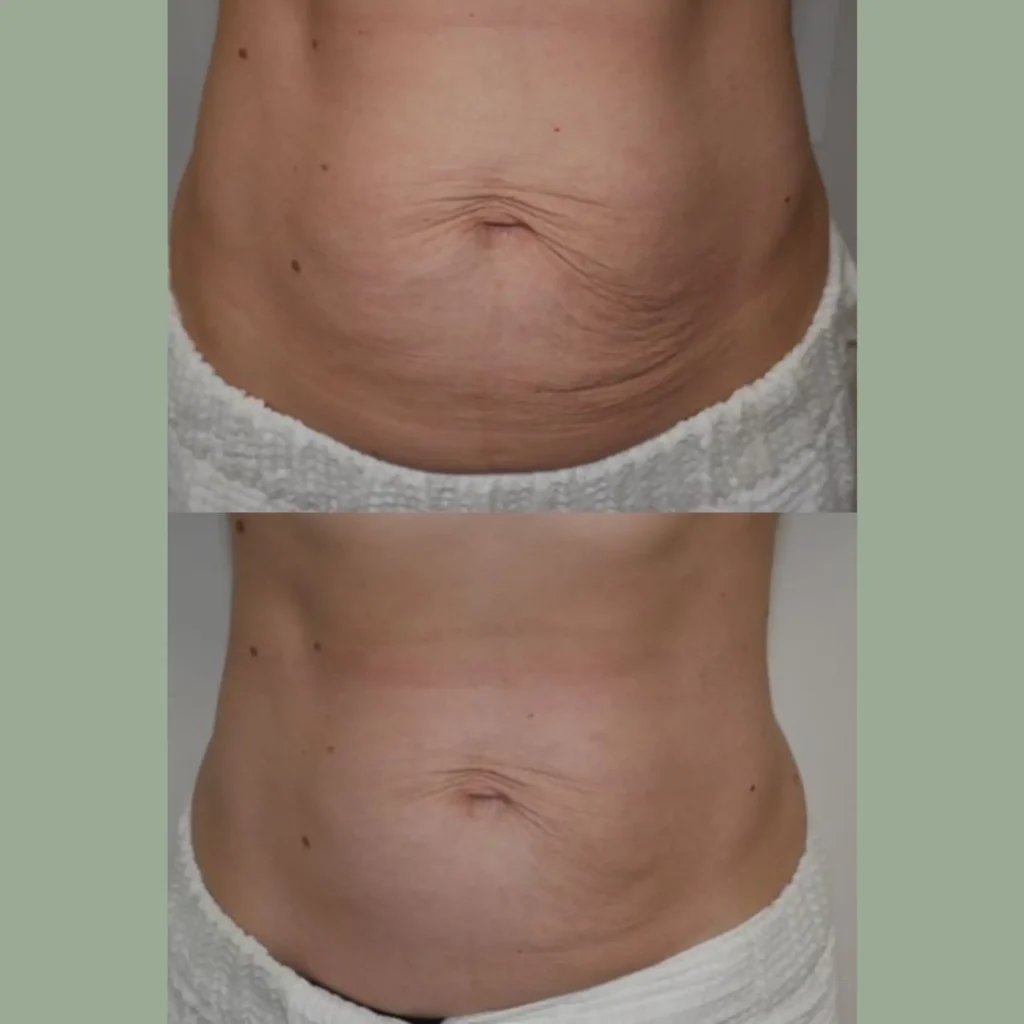
Clinical studies on Sofwave typically cite results lasting between 12 and 24 months after a single treatment session. That’s a fairly wide range, and the variation isn’t random — it reflects real differences in how individual patients respond, how well they maintain their skin afterward, and how aggressively their body ages in that specific timeframe.
Patients in their late 30s and early 40s, who generally still have decent baseline collagen levels, tend to report results on the higher end of that window. Some have noted visible improvements well past the 18-month mark. Patients in their late 50s or 60s, where collagen turnover is naturally slower, often see beautiful initial results but may find they want a maintenance session closer to the 12-month mark.
You know what’s particularly interesting about Sofwave compared to older ultrasound-based treatments like Ultherapy? Patient satisfaction rates for comfort during the procedure are significantly higher — and that means people are more likely to come back for repeat treatments, which ultimately compounds the benefit. Treating once a year or every 18 months can create a cumulative effect, where results build rather than simply reset.
It’s also worth mentioning that results aren’t binary — it’s not like the treatment “works” for 18 months and then suddenly stops. What happens is a gradual fading as your natural aging process continues. The collagen you stimulated will eventually break down at its normal rate; you’re just starting from a higher baseline. Most patients describe it as looking like a better version of themselves for an extended period, rather than a dramatic transformation that dramatically fades.
What Can Shorten — or Extend — Your Results?
Honestly, this is the section most people need to read carefully, because the treatment itself is only part of the equation. What you do after — and I mean for months after — has a real impact on how long you’ll enjoy your results.
Sun exposure is probably the single biggest factor. UV radiation degrades collagen at a measurable rate, and it doesn’t discriminate between collagen your body made last year and collagen it made last month in response to Sofwave. Daily SPF use — we’re talking SPF 30 at minimum, SPF 50 if you’re outdoors regularly — isn’t optional if you’re serious about extending your results. This is just basic skin science, but it bears repeating.
Smoking accelerates collagen degradation significantly. If you smoke and get Sofwave, you’ll likely land at the shorter end of the results window. Same goes for chronic, high stress — elevated cortisol levels are genuinely destructive to collagen over time. Not to make this sound preachy, but the lifestyle factors that affect overall health also affect the longevity of aesthetic treatments.
On the flip side, there are things that actively extend results. Retinoids — whether prescription tretinoin or over-the-counter retinol — stimulate collagen production on their own. When used after Sofwave, they can complement and sustain the treatment’s effects. Products with peptides, vitamin C (in stable formulations like ascorbyl glucoside), and niacinamide also help maintain skin structure. Some dermatologists will combine Sofwave with treatments like PRP (platelet-rich plasma) to amplify and prolong results, though this approach adds cost.
Hydration matters too — both internal and topical. Well-hydrated skin functions better at every level, including collagen synthesis. Drinking enough water isn’t a miracle solution, but chronic dehydration doesn’t help your skin’s structural integrity.
When Should You Come Back for Another Session?
Most providers suggest scheduling a follow-up Sofwave session anywhere between 12 and 18 months after the first one, depending on how your skin responded and how happy you were with the results. But this isn’t a hard rule — some people go two full years before wanting another treatment, and that’s completely valid.
The ideal time to repeat the treatment is before you feel like you’ve “lost” your results entirely. Think of it like car maintenance — it’s easier to maintain something in good condition than to restore it from a point of significant decline. A second Sofwave session on skin that still has an elevated collagen baseline from the first treatment tends to yield better, more lasting results than starting fresh.
It’s also worth having a candid conversation with your provider about your goals and budget. Some patients choose to combine Sofwave with other treatments on a rotating basis — Sofwave one year, a different modality the next — rather than repeating the same treatment annually. This strategy keeps things fresh (no pun intended) and can address different aspects of skin aging over time.
One thing to watch out for: providers who push you to come back every six months aren’t necessarily giving you bad advice, but it may not be necessary for most patients. If you’re seeing continued improvement or stable results, there’s no clinical reason to rush a repeat treatment. Let your skin — and your own satisfaction — guide the timing.
Is Longevity Worth It?
So where does this all land? Sofwave delivers results that typically last one to two years, with some patients enjoying the benefits even longer depending on their skin, their age, and how they care for themselves after treatment. It’s not permanent, but nothing in aesthetics truly is — even surgical facelifts eventually yield to the ongoing process of aging.
What makes Sofwave genuinely interesting in the non-invasive space is that the results feel earned. Because they’re built on your own collagen, the improvement looks natural rather than “done.” And because the treatment is well-tolerated with no real downtime, incorporating it into a regular skin maintenance routine is realistic for most people — not just those willing to clear a week of their calendar for recovery.
If you’re weighing Sofwave against other options, the comparison isn’t always apples-to-apples. Botox lasts three to six months and addresses movement-based lines; Sofwave addresses skin laxity and texture, with longer-lasting effects. Surgical options offer more dramatic and longer-lasting results but come with meaningful risk and recovery. Sofwave sits comfortably in between — a meaningful, lasting improvement without the commitment of a surgical procedure.
The people who seem happiest with Sofwave long-term are the ones who treat it as one part of a broader skin health approach rather than a standalone fix. Good SPF use, a solid skincare routine with activities like retinoids and antioxidants, adequate hydration, and realistic expectations about aging — those are the ingredients that make any treatment last as long as possible. Sofwave included.
At the end of the day, the right question isn’t just “how long will this last?” It’s “how long will this last for me, given how I live and care for my skin?” That’s the conversation worth having with your provider before you book.