
Table of Contents
ToggleThe landscape of non-invasive skincare technology is evolving at an unprecedented pace, continuously introducing methods that promise clinical-grade skin rejuvenation without the downtime of traditional ablative procedures. Among the latest developments capturing the attention of aesthetic professionals and skincare enthusiasts alike is Microglow.
If you have been researching contemporary facial treatments, you may have found yourself asking, what is microglow? How exactly does it differ from the myriad of therapies already available? This comprehensive guide provides an objective breakdown of Microglow technology, exploring its mechanical foundation, targeted applications, safety profile, and efficacy to help you determine if it is the right addition to your clinical skin health regimen.
Defining Microglow, the Advanced Synergy of Light and Microcurrent
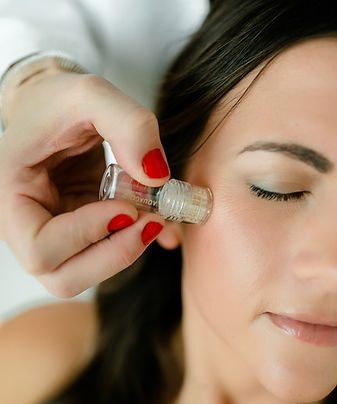
To answer the core question, it is best understood as a multimodal non-invasive skin rejuvenation technique. Unlike standalone therapies, Microglow integrates low-level light therapy (LLLT), specific microcurrent electrical neuromuscular stimulation (MENS), and high-frequency thermal micro-vibrations into a unified treatment delivery system.
The core objective of this treatment is to trigger cellular repair and optimize transdermal product delivery simultaneously. By operating at a cellular level rather than relying on aggressive mechanical or chemical exfoliation, Microglow offers a progressive path toward skin tightening, structural toning, and complexion correction without causing superficial wounding or inflammation.
Clinical Note: A Non-Ablative Alternative Traditional laser resurfacing and deep chemical peels achieve results by forcing the skin to repair deep thermal or chemical damage. Microglow takes the inverse approach, delivering cellular energy directly to tissue components to accelerate normal healing pathways without damaging the protective epidermal barrier.
How Does the Technology Actually Work?
To comprehend how Microglow achieves structural modifications in the skin, it is necessary to examine the three fundamental physiological mechanisms that operate concurrently during a clinical session:
1. Microcurrent Cellular Stimulation
The human body operates on its own subtle bio-electrical system. Microglow utilizes low-voltage electrical currents that mirror these natural impulses. These currents penetrate past the epidermis into the facial muscles and dermal layers. The primary biological outcome is the stimulation of Adenosine Triphosphate (ATP) production, the principal energy molecule of cells. Enhanced ATP levels accelerate cellular metabolism, prompting fibroblasts to synthesize higher quantities of structural proteins like collagen and elastin.
2. Therapeutic Photobiomodulation (Light Therapy)
The system emits specific, scientifically verified wavelengths of light to target distinct skin depths and chromophores:
- Red Light (620nm – 630nm): Targets the fibroblast cells in the dermis, optimizing mitochondrial function to smooth fine lines, soften texture, and increase overall structural elasticity.
- Blue Light (460nm – 470nm): Targets the sebaceous glands and eliminates acne-causing bacteria (Cutibacterium acnes), making it highly effective for refining congestion and reducing breakouts.
- Green/Yellow Light (520nm – 590nm): Targets melanocytes to regulate melanin synthesis, mitigating hyperpigmentation, calming localized redness, and promoting an even skin tone.
3. Thermal Micro-Vibrations
Operating at thousands of gentle pulsations per minute, high-frequency micro-vibrations cause rapid, localized oscillations in the tissue. This physical stimulation immediately enhances microcirculation, maximizing the delivery of oxygenated blood and vital nutrients to the treatment area while improving lymphatic drainage to reduce puffiness.
Does Microglow Work? Evaluating the Clinical Evidence
To determine if microglow actually works, it looks directly at independent clinical literature evaluating the individual modalities that form the backbone of the treatment. Decades of peer-reviewed research validate that microcurrent therapy significantly improves facial contouring and structural firmness when applied with regular consistency. Similarly, photobiomodulation is heavily backed by dermatological studies confirming its ability to upregulate collagen genes and suppress inflammatory pathways.
When combined within the Microglow protocol, these technologies yield a compound effect, showing both immediate and progressive phases of results. In the immediate post-treatment phase, enhanced vascular circulation creates an instant radiant glow, while targeted microcurrent stimulation lifts the jawline and brow area and helps depuff the face by clearing stagnant lymphatic fluid. Over a progressive timeline of four to eight weeks, patients experience accumulative collagen remodeling that actively reduces the depth of fine lines, yields lasting improvements in skin elasticity, visibly fades UV-induced hyperpigmentation, and stabilizes localized sebum production.
What Aesthetic Concerns Does It Target?
Microglow is recognized for its clinical versatility. Because its parameters can be adjusted based on the wavelength of light and intensity of the microcurrent, it can be tailored to address a diverse array of dermatological concerns:
- Loss of Epidermal Elasticity: Firms slack skin along the jawline, cheeks, and periorbital regions.
- Fine Lines and Dynamic Wrinkles: Softens early signs of aging, such as forehead creases, nasolabial folds, and crow’s feet.
- Dullness and Poor Perfusion: Revitalizes devitalized, tired-looking skin by forcing fresh oxygen and nutrients into the upper tissue layers.
- Hyperpigmentation and Environmental Damage: Breaks down clustered pigment deposits and evens out tone inconsistencies caused by chronic sun exposure.
- Chronic Puffiness: Treats stagnant lymphatic fluid clearance, drastically refining facial contours.
Who Is the Ideal Candidate for Microglow?
Microglow is an exceptionally inclusive treatment because it does not rely on thermal injury or skin-thinning resurfacing mechanisms. It is universally compatible with all Fitzpatrick skin types (I through VI), carrying virtually zero risk of post-inflammatory hyperpigmentation (PIH), a common side effect of intensive laser treatments on darker skin tones.
It is best suited for individuals seeking progressive, sustainable skin rejuvenation, those looking to preserve skin health proactively, or patients seeking a reliable maintenance treatment between deeper clinical interventions.
Contraindications to Consider
While Microglow is highly safe and non-invasive, certain medical conditions preclude its use due to the involvement of microcurrent electrical stimulation. It should not be performed on individuals who:
- Have an active cardiac pacemaker, implanted defibrillator, or other electronic medical implants.
- Are currently pregnant (due to a lack of comprehensive safety data regarding microcurrents on fetal development).
- Suffer from severe epilepsy or active seizure disorders.
- Have open wounds, active skin infections, or severe, unmanaged cystic acne in the localized treatment area.
Ready to Reveal Your Healthiest, Radiant Skin?
Schedule a comprehensive, one-on-one professional consultation with the aesthetic specialists at LiveWell Medical Aesthetics today. That helps you navigate the world of advanced skincare and craft a protocol that delivers predictable, long-lasting, and brilliant results.